
I already had some issues with surrogacy, but this story may have finished me off. McKenna West was carrying a baby for a couple. Then they learned their son had a serious heart condition and wanted her to abort him. West ultimately refused, and good for her. Gabriel is now here, alive and receiving treatment, while the adults fight it out in court.
The more I read about this mess, the more I come back to the same question: Why are we doing this in the first place? Maybe it’s time to stop pretending that renting another woman’s body to make a baby is something we should be doing at all.
When Pregnancy Becomes A Transaction
Before anyone starts yelling at me, I understand why people turn to surrogacy. Wanting a child and not being able to have one has to be heartbreaking. Maybe you’ve pictured yourself as a mother or father your entire life, only to find out it isn’t going to happen the way you planned.
And yes, the surrogate agrees to the arrangement and is generally paid for it. Nobody is pretending otherwise, but that’s actually part of what bothers me.
We’ve turned pregnancy into something that can be bought and sold through a contract. One person wants a biological child. Another woman agrees to use her body to carry that child for money. Then the lawyers try to anticipate everything that could possibly happen during those nine months.
It all sounds very orderly on paper. Then something goes wrong, and suddenly you find out just how ugly the transaction can get.
Surrogate who refused to abort baby despite biological parents’ request gives birth in Texas https://t.co/i1mL1uUaja pic.twitter.com/tOyEbY6Gkl
— New York Post (@nypost) August 13, 2026
Maybe there are some things we shouldn’t turn into transactions simply because two adults willingly agree to the terms. I’m increasingly convinced pregnancy is one of them.
There is also adoption, which sometimes seems to get treated like the consolation prize in these conversations when there are actual children who need parents. If you desperately want to be a mother or father and having a biological child isn’t possible, adoption is another path. It isn’t easy, cheap or guaranteed either, but neither is surrogacy, as this ugly situation is demonstrating rather spectacularly.
Then The Baby Wasn’t Perfect
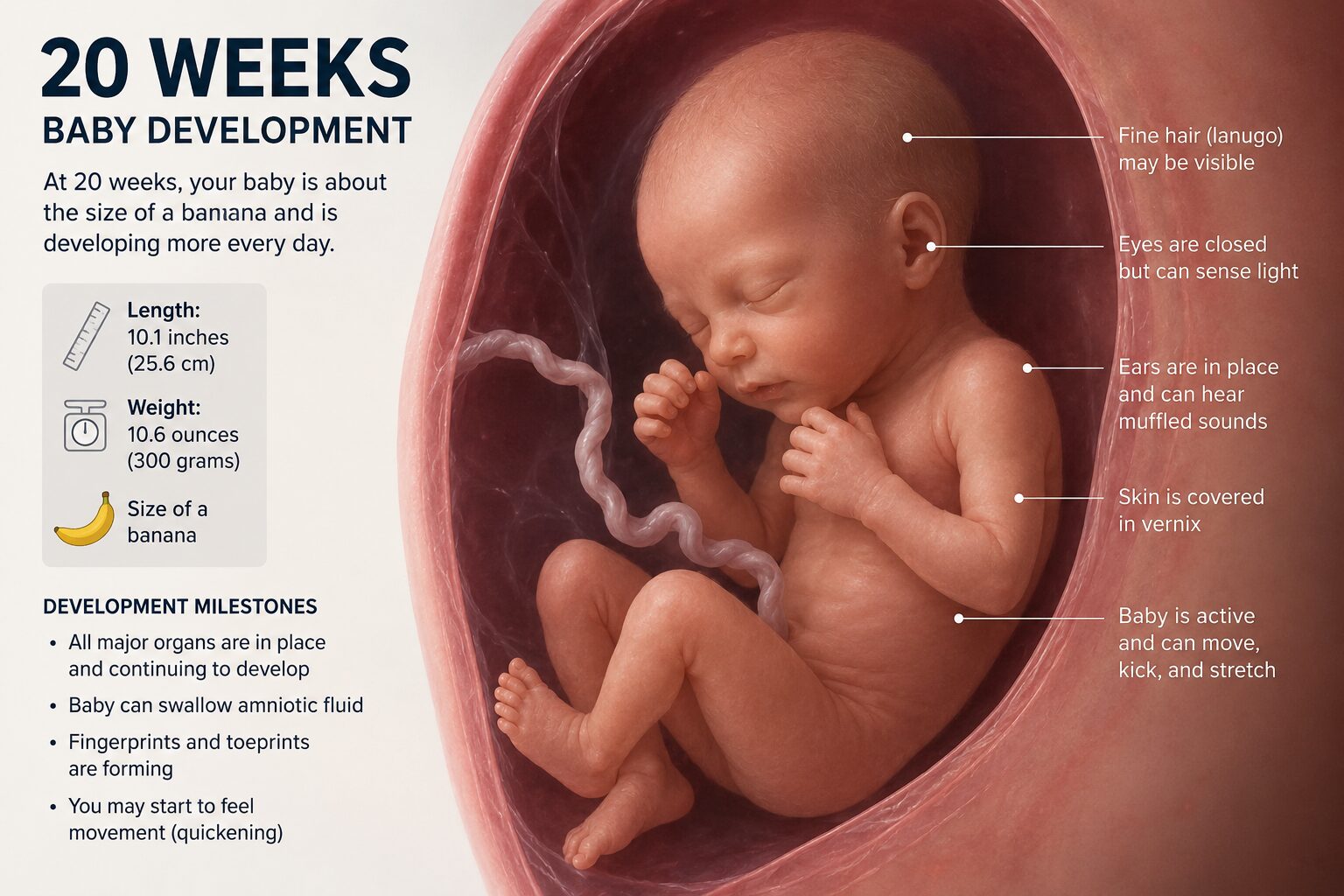
At 20 weeks, the baby West was carrying was diagnosed with hypoplastic left heart syndrome (HLHS), a serious congenital heart defect requiring major medical care and surgeries after birth. That’s about all the medical detail we need here because this isn’t really a story about HLHS. It’s about what happened next.
The surrogacy agreement addressed termination in the event of fetal abnormalities, and West initially agreed with the intended parents to terminate the pregnancy after Gabriel’s diagnosis. Then she changed her mind, and I have a very hard time getting angry with a woman for changing her mind about having an abortion.

The contentious legal-battle began in April after the unborn child was diagnosed with the severe heart condition, hypoplastic left heart syndrome (HLHS), at 20 weeks.
The surrogacy contract between West and the biological parents contained a clause that allowed terminations if there was an “anomaly” during the pregnancy.
Following the diagnosis, the couple called on West to seek an abortion.
West, a single mom of two, refused to terminate the pregnancy and instead traveled to Texas where she would be recognized as the birth mother under state law. – New York Post
When The Fine Print Becomes A Baby
It’s one thing to sign a contract containing a paragraph about what everyone agrees will happen if doctors discover something wrong with the baby. It’s another thing entirely to be five months pregnant, carrying that baby around every day, feeling him move and then being told that the hypothetical paragraph you signed months earlier is now sitting in your uterus.
West couldn’t do it. Thank God she couldn’t.
Her attorney Lincoln Wilson has described the termination provision as a “hit man contract.” That’s certainly colorful, but the more I think about it, the more uncomfortable I become with the fact that we are writing these provisions into contracts at all.
She was hired to carry their baby, not kill him.
You Can’t Sign Away Your Conscience
Yes, West signed the contract. I’m not going to pretend she didn’t, because that would make this argument too easy. She agreed to the arrangement, she agreed to provisions concerning termination and then, when faced with actually going through with it, she backed out.
Good.
Of all the promises a human being might break, deciding you cannot go through with an abortion isn’t one I’m going to condemn someone for breaking. In fact, the whole thing makes me wonder why we think another person’s signature should ever give anyone contractual leverage over whether she undergoes an abortion.
And if the answer is that it doesn’t, then what exactly is that clause doing in the contract?
Oh, Now He’s Your Baby?
Here’s where my Side Eye really kicks in.
Gabriel is alive. West delivered him in Texas, and he is receiving treatment for his heart condition. The intended parents, Nausheen Gilkar and Omar Ahmed, maintain that they are his legal parents and that West violated their surrogacy agreement.
With names like Nausheen Gilkar and Omar Ahmed, I’ll leave it to you to speculate.
They have also pushed back against some of the allegations surrounding this case. Through their attorney, they say they always intended for Gabriel to receive medical treatment after birth and deny that they planned to withhold life-saving care from him. That’s an important distinction, and they deserve to have their side included.
I hope they’re telling the truth. I have my doubts, though.
Still, if they wanted that little soul killed while in the womb, then they don’t deserve him now that he is born and getting treatment. I hope the birthing mother gets to keep him.
You wanted the pregnancy terminated after learning your son had a serious heart condition. McKenna West ultimately refused to do it. Now Gabriel has been born, and you’re asserting your rights as his parents while fighting the woman who made sure he got here in the first place.
I’m sorry, but I can’t just skip over that part.
If McKenna West wants to raise Gabriel and is capable of doing so, I hope she gets custody of him. She is the one who decided that a frightening diagnosis didn’t make his life disposable, and I think that ought to count for something when everybody starts arguing about who gets to call themselves his parents.
I’m Starting To Think We Should Ban This
I know a lot of people will be ticked off at me for this take. And maybe this story is an extreme example. I’m sure plenty of people will tell me about wonderful surrogacy arrangements in which everyone understood the agreement, a healthy baby was born, the intended parents took their child home, and everybody remained perfectly happy.
I’m sure those happy surrogacy stories exist, but they don’t solve the underlying problem for me. Surrogacy takes one of the most intimate things a human body can do. It turns it into a contractual transaction, complete with clauses for complications, disabilities, changed minds, and even abortion. At some point, maybe we should stop asking lawyers to write better contracts and ask whether this should be a business at all.
Listen to the language in this video. They’re talking about a human baby like merchandise that didn’t arrive according to specifications. If that doesn’t horrify you, it should.
Not Every Problem Is Ours To Solve
And maybe there’s an even bigger question here: What happened to us that we became so unwilling to suffer, accept disappointment, and do hard things?
Sometimes life tells us no. Sometimes our bodies don’t cooperate, the child we desperately wanted doesn’t come the way we imagined, or the baby we prayed for isn’t perfectly healthy. Those things are painful and unfair, but suffering is part of being human. We used to understand that, and a country that believed in God understood that suffering wasn’t necessarily meaningless. You endured it, prayed through it, and did the hard thing when the easier option was right there.
Maybe that’s part of what we’ve lost as we’ve become a more Godless country. We’ve gotten very good at asking whether science can give us what we want or make the hard thing disappear, and not nearly as good at asking whether we should.
And that’s really where I’ve landed on surrogacy. Just because we can do it, and just because two adults are willing to enter into the arrangement, doesn’t necessarily mean we should keep treating it as another perfectly acceptable way to have a baby. At some point, we have to be willing to draw moral lines, even when doing so means someone doesn’t get what they desperately want.
Sometimes The Answer Is No
If you cannot have a biological child, that can be terribly painful. I don’t dismiss that pain for a second. But sometimes life hands us circumstances we didn’t choose and cannot fix. Adoption is one possible path. There are children who already exist and desperately need families. Or perhaps life takes you somewhere else entirely.
What I’m no longer convinced of is that the answer must be finding another woman, paying her to become pregnant and writing a contract attempting to control what happens inside her body for the next nine months.
Maybe that’s the lesson buried in this whole ugly mess. Not everything we want is something we’re meant to have, and not every hardship is something we’re entitled to engineer our way around. Sometimes life asks us to accept no. Sometimes it asks us to do the hard thing.
Feature Image: AI-generated illustration.
About the Author